The “Cancer Myth” in Adaklu: How We Are Replacing Fear with Future
Finding Purpose in Grief
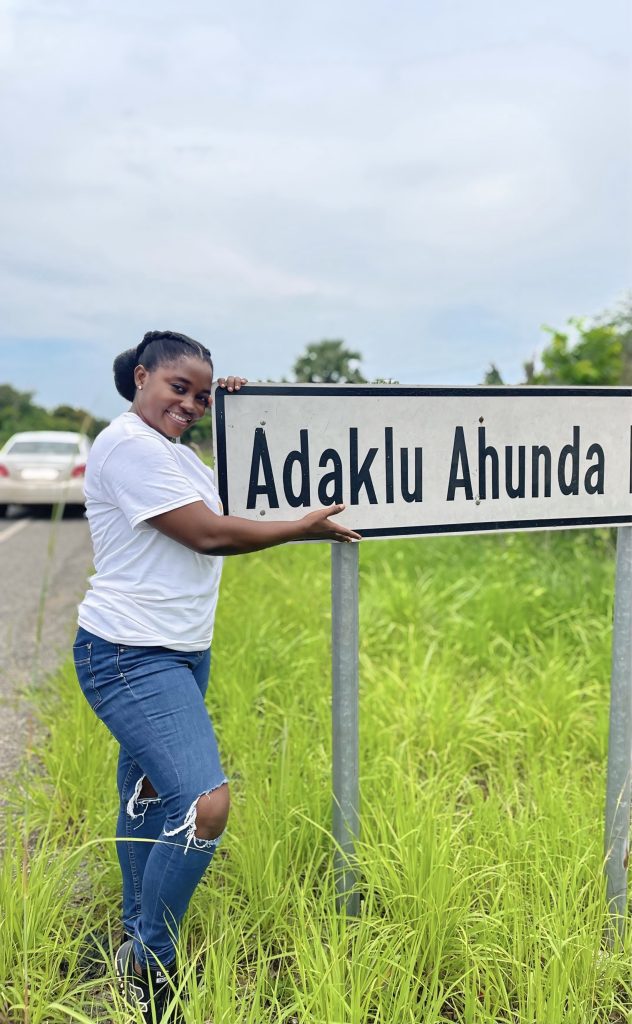
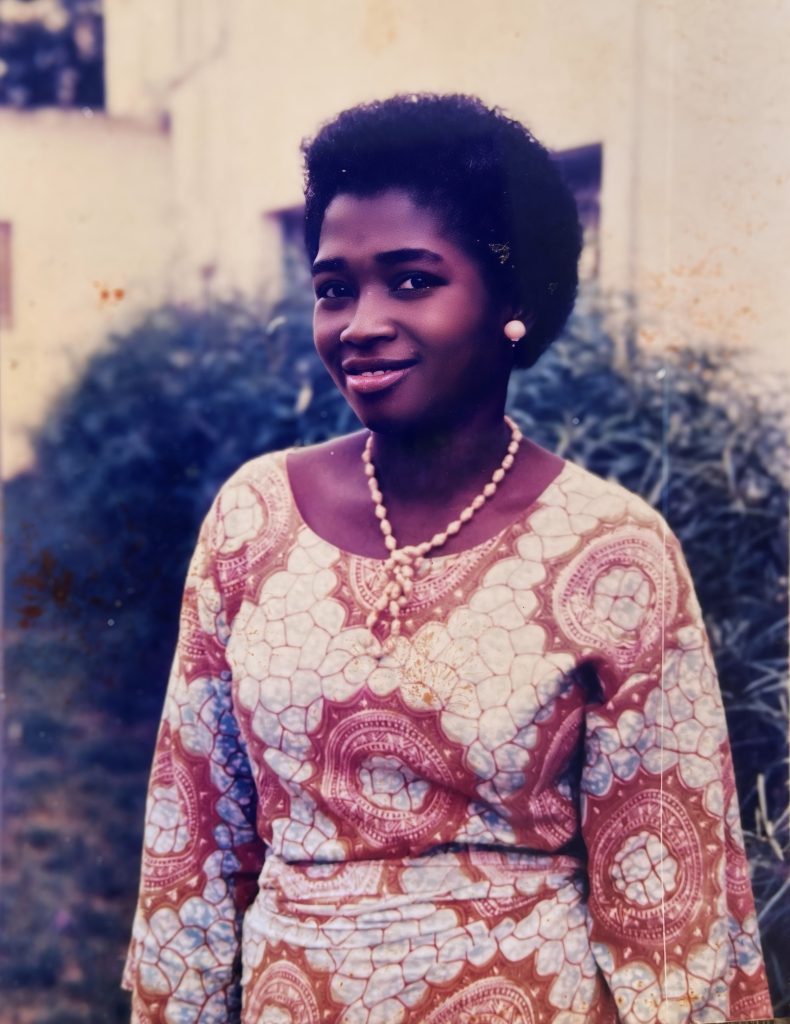
My mother was the seed of Happy Daffodils. Years ago, when I shared my vision to help rural children gain digital literacy, her face lit up. Though she never founded an organization, she lived a life of communal philanthropy. Honoring her meant serving her people. But when I returned in November 2025 to her hometown Adaklu Ahunda to launch our pilot project, “Operation: Theory Is Not Enough,” I found a heartbreak I didn’t expect.
The Heartbreaking Reality
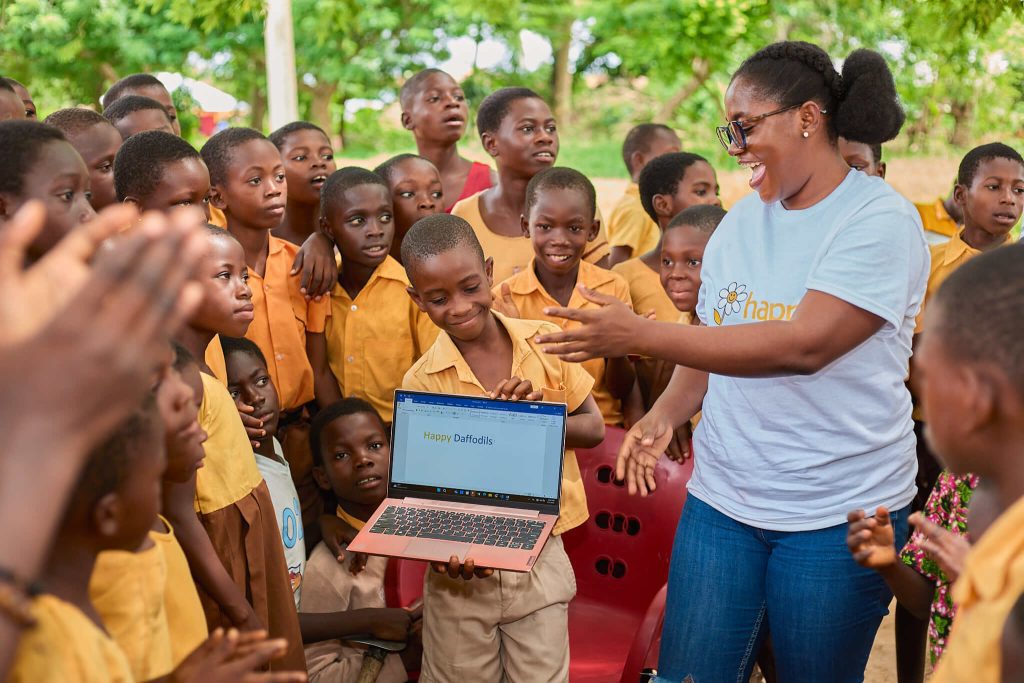
I arrived expecting to find a lack of computers. I found that, but I also found that 223 children were learning ICT by memorizing drawings of a mouse and keyboard on blackboards. I refused to accept that these bright minds should study technology as a theory while the rest of the world uses it as a tool.
As I probed deeper, I found a larger, invisible barrier. There was no internet. And it wasn’t just because the providers hadn’t tried.
The “Cancer Myth”
I discovered that the Adaklu Ahunda Kpodzi community had actively resisted the installation of telecom infrastructure. The resistance was born from a pervasive local belief I call the “CANCER MYTH” – a misconception that network towers radiate harmful energy that causes cancer and other illnesses.
When major telecom service providers previously attempted to install towers, they were met with hostility. Instead of holding sensitization sessions to educate the community, these corporate giants simply walked away, leaving the village in a digital blackout.
As a Data Engineer, I could look at coverage maps and see the “white space.” But as a daughter of this soil, I knew that no amount of engineering could solve a problem rooted in fear. We didn’t just need a tower; we needed trust.
The Solution: The “Radio Analogy”
Drawing on my experience as an Advocacy Officer with the Grikob Foundation and strategies from the UN IGF 2025, I knew I couldn’t fight emotion with technical specs. I had to fight it with familiar truth.
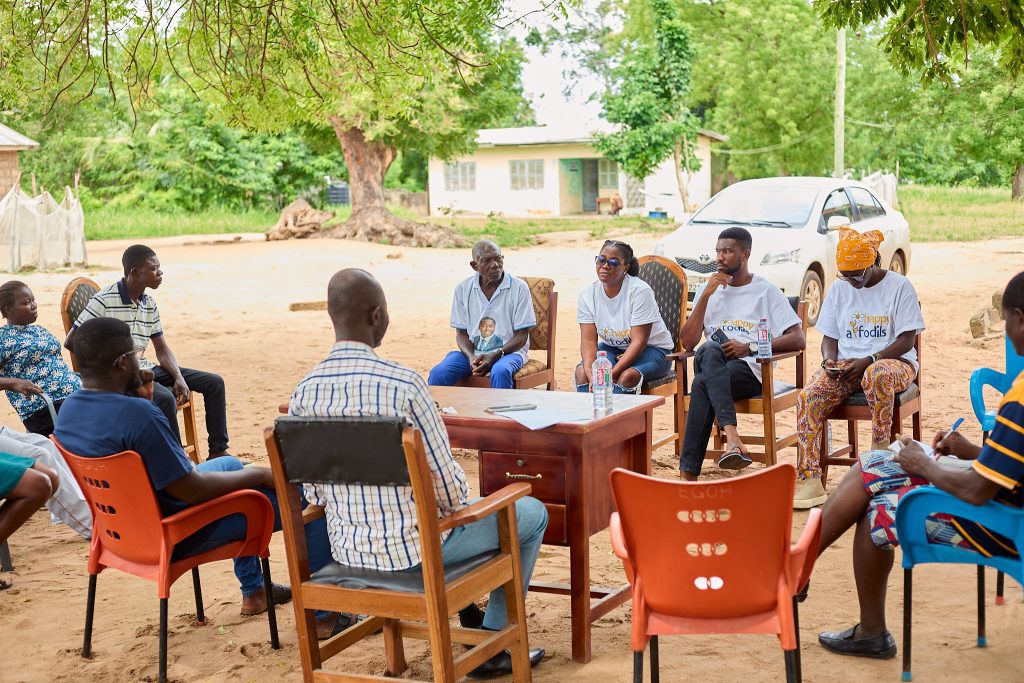
We began this with a conversation. I started by engaging the Town Linguist and a select group of community elders.
I sat with them and asked a simple question: “How long have you listened to the radio?”
“Decades,” they replied.
“And has the radio ever made you sick?”
“Never.”
I explained that the waves carrying their favorite local news are cousins to the waves carrying the internet – just different frequencies on the same spectrum. By grounding the “scary new technology” in the “trusted old technology, they finally understood. We moved the conversation from “radiation” to “connection.”
The “Neutral Bridge” Strategy
This pilot engagement taught me a critical lesson: Technology is 10% hardware and 90% human.
But I knew I needed more than just intuition. I recently discussed this roadmap with a representative from one of Ghana’s largest telecom providers – one of the very companies that had been forced to retreat from Adaklu years ago.
His advice confirmed my strategy: “You must go first.”
He explained that if the telecom providers accompanied me from the start, the community would view it as a sales pitch or a forceful invasion. But Happy Daffodils acts as a neutral bridge. Because I am a daughter of the land, not a corporate agent, I can strip the fear away without suspicion.
The Roadmap to Connection
We have agreed on a phased approach:
Phase 1 (March 2026): Happy Daffodils leads the independent community sensitization, using the “Radio Analogy” to neutralize the fear.
Phase 2: Once the community is prepared, the telecom provider will return – not as invaders, but as invited partners – to join us for a final joint sensitization.
We have built the trust with the leadership. We have validated the strategy with the industry. Now, we are ready to build the digital future of 223 children.